

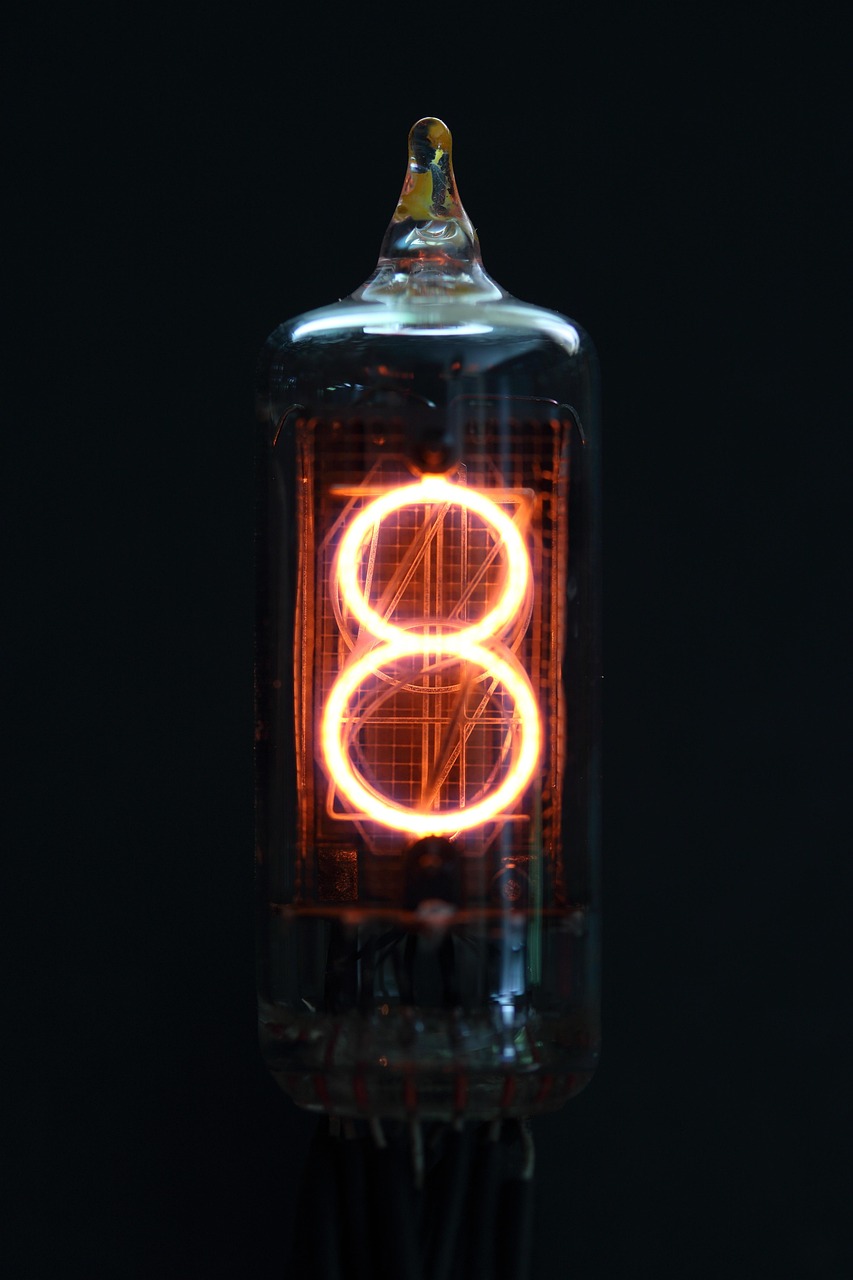
Imagine a world where vintage meets modern, where analog technology still reigns supreme in the digital age. Have you ever wondered how those mesmerizing Nixie tubes work? Let’s take a deep dive into the inner workings of these unique display devices, with a perspective inspired by the popular anime series, Steins Gate.

Understanding Nixie Tubes
If you’re not familiar with Nixie tubes, don’t worry – you’re not alone! These quirky little devices were once used in electronic equipment like calculators, frequency counters, and even early computers. Nixie tubes are essentially display tubes that contain numerals or other symbols, each made up of a series of metal cathodes shaped like numerals or letters. When these cathodes are activated with an electric current, they emit a distinctive orange glow, creating a retro-futuristic display that captivates all who see it.
How Nixie Tubes Produce Light
The magic behind the warm orange glow of a Nixie tube lies in a phenomenon called gas discharge. Unlike traditional incandescent light bulbs, which use a glowing filament to produce light, Nixie tubes operate by passing an electric current through a gas-filled chamber. The gas inside the tube contains neon, argon, or a mixture of both, which becomes ionized when the current passes through it. This ionization causes the gas to emit ultraviolet light, which in turn excites a phosphor coating on the cathodes, creating the familiar orange glow.
The Anatomy of a Nixie Tube
To truly understand how Nixie tubes work, it’s essential to grasp the basic components that make up these unique display devices. Let’s break down the anatomy of a typical Nixie tube:
Glass Envelope
The outer shell of a Nixie tube is typically made of glass, allowing the orange glow produced by the gas discharge to shine through unimpeded. The glass envelope is essentially a sealed container that houses the internal components of the tube and protects them from environmental factors.
Cathodes
The cathodes are the heart of a Nixie tube, responsible for forming the glowing numerals or symbols that make up the display. Each cathode is shaped like a numeral or letter and is made of a metal like stainless steel or copper. When a specific cathode is activated by an electric current, it emits a bright orange glow, creating the desired symbol on the display.
Anodes
In addition to the cathodes, Nixie tubes also contain anodes, which help control the flow of electrons within the tube. Anodes are typically made of a wire mesh or grid that surrounds the cathodes, allowing the electrons to flow freely while maintaining the desired shape of the display.
Fill Gas
The fill gas in a Nixie tube plays a crucial role in the function of the device, providing the medium through which the electric current passes to produce the orange glow. The most common gases used in Nixie tubes are neon and argon, both of which have unique ionization properties that result in the distinctive color and brightness of the display.
Phosphor Coating
To enhance the visibility and contrast of the display, each cathode in a Nixie tube is coated with a layer of phosphor. When the ultraviolet light emitted by the ionized gas strikes the phosphor coating, it causes the coating to fluoresce and emit the familiar orange glow that defines Nixie tube displays.
The Operation of Nixie Tubes
Now that we have a basic understanding of the components that make up a Nixie tube, let’s delve into the intricacies of how these devices actually work. The operation of a Nixie tube can be broken down into a few key steps:
Cathode Selection
The first step in operating a Nixie tube is to select the appropriate cathode corresponding to the desired numeral or symbol on the display. This is typically done using a series of electrodes and control circuits that activate the specific cathode by applying a high voltage across it.
Ionization of Gas
Once the correct cathode has been selected, a high voltage is applied to the anode surrounding the cathode, causing the gas within the tube to ionize. This ionization process excites the gas atoms, causing them to emit ultraviolet light that strikes the phosphor coating on the cathode.
Display Illumination
As the ultraviolet light from the ionized gas strikes the phosphor coating on the selected cathode, the phosphor fluoresces and emits a bright orange glow. This glow forms the desired numeral or symbol on the display, creating a visually striking and retro-futuristic effect that is uniquely characteristic of Nixie tubes.
Reset and Repeat
After the desired numeral or symbol has been displayed, the circuitry controlling the cathode selection resets, preparing the tube for the next display cycle. This process of cathode selection, ionization of gas, display illumination, and reset is repeated continuously to create the dynamic and captivating displays for which Nixie tubes are known.
The Steins Gate Connection
As fans of the anime series Steins Gate know, Nixie tubes play a pivotal role in the plot of the show, serving as a key element of the Time Machine built by the protagonist, Rintarou Okabe. In the world of Steins Gate, Nixie tubes are not only a display technology but also a symbol of the fusion of old and new, of analog and digital. Inspired by the use of Nixie tubes in Steins Gate, hobbyists and enthusiasts around the world have embraced these vintage display devices, creating a resurgence of interest in their unique charm and retro appeal.
Building Your Own Nixie Tube Display
If you’re feeling inspired by the retro-futuristic allure of Nixie tubes, you might be tempted to try your hand at building your own Nixie tube display. While the process can be a bit complex and requires some technical know-how, there are plenty of resources available online to help guide you through the construction of your very own Nixie tube creation. Whether you’re a seasoned electronics enthusiast or a newcomer to the world of DIY projects, building a Nixie tube display can be a rewarding and satisfying experience.
Where to Find Nixie Tubes
If you’re ready to take the plunge and start your own Nixie tube project, you’ll need to source some Nixie tubes to get started. While new Nixie tubes are no longer being manufactured, there is still a thriving market for vintage Nixie tubes, with many online retailers and specialty shops offering a wide selection of tubes in various shapes and sizes. Whether you’re looking for a single tube to add a touch of retro flair to your desk or a set of tubes to create a one-of-a-kind clock or display, you’re sure to find the perfect tubes for your project.
Tips for Working with Nixie Tubes
Working with Nixie tubes can be a fun and rewarding experience, but it’s important to keep a few key tips in mind to ensure that your project goes smoothly. Here are a few pointers to help you get started:
-
Handle with Care: Nixie tubes are delicate devices that can be easily damaged if mishandled. Be sure to handle your tubes gently and avoid touching the cathodes or other sensitive components to prevent damage.
-
Mind the High Voltage: Nixie tubes require a high voltage to operate, so it’s essential to take proper precautions when working with these devices. Always use a suitable power supply and follow recommended safety guidelines to prevent electric shock or other hazards.
-
Check the Pinout: Before connecting your Nixie tubes to a power source, make sure to double-check the pinout and wiring diagram for the specific tubes you’re using. Connecting the tubes incorrectly can damage them or cause them to malfunction, so it’s crucial to get this step right.
-
Experiment and Have Fun: Building with Nixie tubes is a creative and hands-on process, so don’t be afraid to experiment and try new things. Whether you’re building a clock, a thermometer, or a custom display, the only limit is your imagination.
Conclusion
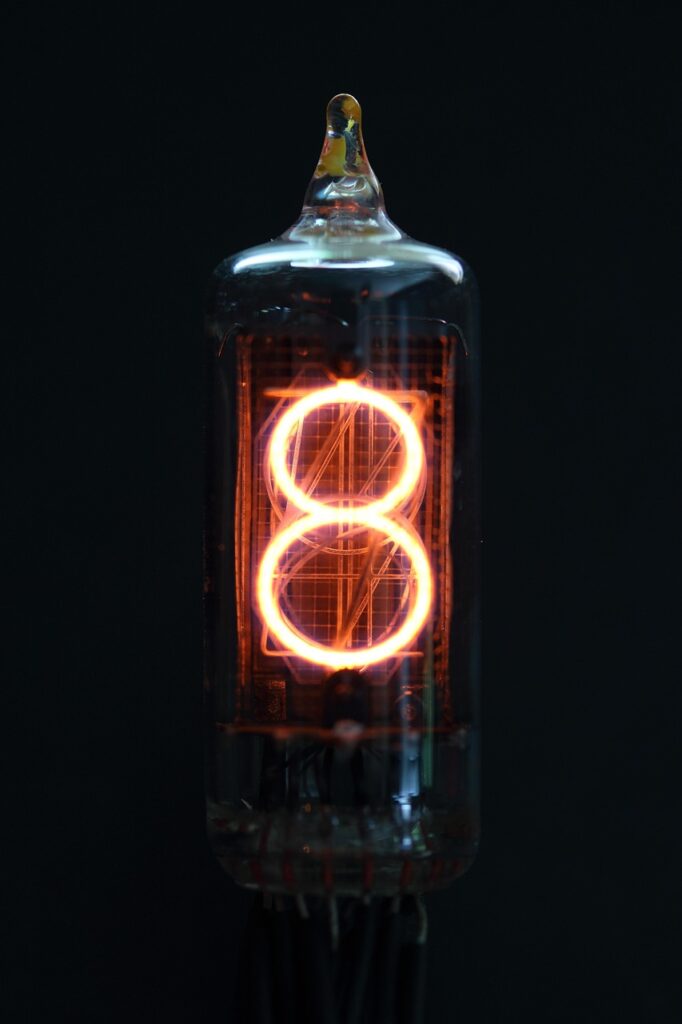
In conclusion, Nixie tubes are a fascinating and distinctive display technology that continues to captivate enthusiasts and hobbyists around the world. With their warm orange glow and retro-futuristic charm, Nixie tubes bring a touch of vintage flair to any project or display. Whether you’re a fan of Steins Gate looking to recreate the allure of the Time Machine or simply someone curious about the inner workings of these unique devices, the world of Nixie tubes offers endless possibilities for exploration and creativity. So why not give them a try and see where your Nixie tube journey takes you? The possibilities are as endless as the digits on a Nixie tube display.